Showing posts with label denver boiler. Show all posts

Tuesday, July 20, 2010

Common Gas Furnace Parts and Problems


Old gas furnaces were pretty simple; just a burner and a fan to circulate air. Every furnace must have a few components to work properly. The first component between the gas intake and the furnace is the gas valve. Propane and natural gas valves are different because the gases have different densities. However many gas valves can be converted between the types without having to order a whole new part. Call your Denver heating company to see if this is possible. In some jurisdictions, switching or installing new components requires inspection for following the fuel-gas code. Before performing any work on a gas valve, make sure you turn off the gas lines going in and out.

The gas manifold maintains proper pressure for the burner. It is on the gas line between the gas valve and the burner. The pressure is sensitive to the type of gas and the specific furnace, so make sure you get a qualified Denver furnace repair man to set the pressure. Manifolds usually do not require much maintenance unless insects or other foreign material gets inside the gas panel.

For everyone other than HVAC specialists, the burner is the exciting part of the furnace. All burners shoot a flame into a combustion chamber that has a draft sucking air in. At high altitudes like in Denver, the size of the burner hole needs to be smaller because there is less oxygen in the fuel-air mixture at lower atmospheric pressure. If you bought your furnace somewhere else and moved to high altitude, you may have to call a Denver furnace service company to modify the burner outlets.

To keep the burners fed with air, you need some sort of ventilation system. HVAC includes not only the ducts that bring treated air around your home, but a ventilation system for the burner. The furnace needs a way to bring in oxygenated air and safely vent the burnt exhaust.

The combustion chamber is not directly connected to your heating ducts to keep you safe from dangerous exhaust. The heat from the furnace is passed onto the air through a heat exchanger. These heat exchangers are made from thick metal that can withstand the constant high heat from the burner. Heat exchangers should be regularly checked because any crack in the material can release exhaust directly into your house.


Furnace Flame Efficiency


Modern furnaces are a lot more complicated than just burning gas and air. To work properly, your furnace regulates the air-fuel mixture. Natural gas and propane used to be cheap forms of heating, but as they become more popular those days are ending. As the prices for fuel increases, the efficiency of the burn becomes more important. Natural gas is a light fuel that should burn blue. A yellow flame in a natural gas furnace probably means that it is not getting enough air. A Denver furnace repairman should be able to adjust the airflow to fix a yellow flame rather easily.

Other common problems with furnace flames are flames that flicker or roll out. An adjustment to your furnace will be necessary in most cases. The HVAC tech may have to test the actual composition of the flame with an expensive instrument called a a combustion analyzer. The analysis tells your Denver HVAC technician the temperature as well as the levels of carbon dioxide, monoxide, and oxygen given off by the flame.

Having the furnace fumes completely exhausted outside the home is very important. Carbon monoxide can lead to headaches, nausea and even death. A dirty burning furnace can have other toxic byproducts as well. Your Denver furnace repair company should do a furnace draft test to make sure your furnace is not leaking exhaust into your home.

I recommend all homes have a carbon monoxide detector installed to protect the occupants from this invisible, smell-less gas. Carbon monoxide poisoning is no joke and long term exposure can cause brain damage. Carbon monoxide basically replaces oxygen in your blood and starves your brain of oxygen. During my work in my Denver HVAC company, we usually find 4-5 homes a year that have a carbon monoxide leak, so there must be many more that are completely unaware.

If the problem with your furnace flame is the gas level and not the air mixture, your HVAC guy should do a gas pressure test. Depending on the type of fuel (natural gas, propane, or heating oil) the required pressures are different. The optimal level will lead to complete combustion of the fuel.

Tuesday, June 8, 2010

Indoor Air Quality


Indoor air quality is an important factor to consider not just in heavy industry involving lots of chemicals. In today's polluted world, any large job must be monitored for air quality. HVAC ventilation technology has advanced over the years. New central heating and air conditioning technologies have emerged to deal with new environments like data centers and indoor pools. The Denver Museum of Fine Arts contracted a Denver HVAC company to build UV filters that kill foreign microbes in the exhibits. These technologies are filtering out into other parts of the heating ventilation and air conditioning industry.

People do stupid things when times are rough though. Reports of people holding off replacement of their Denver air conditioning filters have come out. What these people don't realize is that filter replacement is cheaper in several ways. For one thing, a clogged filter makes the machine work harder to push the same amount of air - leading to increased energy bills and lower system life. The cost of a replacement filter is usually much lower.

Commercial customers usually don't have the same problems as residential customers, who might not even know they have a filter on the system. Companies and large buildings usually have their own building managers, or a Denver HVAC company on call.

Residences have started installing high-efficiency air filters. Companies are bundling the filters as part of a standard indoor air quality upgrade package. Bundling the filters is a good way to get customers to accept new technology that is beneficial to both parties.

In addition to energy savings, contractors have been pushing filters by educating customers about breathing unclean air and respiratory issues that result. For situations where the customer uses the vent without heating or cooling, a blower is needed to circulate the air. Industrial clients should already have good ventilation, but other clients may need education on how air movement benefits air quality, and the control mechanisms those HVAC systems use - whether they be a thermostat, programmable fan or custom air conditioning company installed controls.


Thursday, May 13, 2010

Heat Pumps: Popular Green HVAC


The AHRI (Air-Conditioning, Heating, and Refrigeration Institute) has reported increases in heat pump sales over 20% from the same time a year ago. This is an encouraging sign in this economy. However heat pumps are receiving a bump because they are perceived as a leading green-heating technology. Heat pumps, especially geothermal heat pumps, are more efficient than about any other commercial heating technology. However, many consumers are not clear as to how heat pumps work and therefore they may not know if a heat pump is a good fit for HVAC in Denver.

People have problems wrapping their heads around the fact that heat pumps can both heat and cool. One good thing about heat pumps it that the primary heating element cannot go bad, and therefore you will not have to call your Denver furnace repair company in the middle of the winter. What works in winter will always work. Because a heat pump does both the work of a furnace and a A/C unit, you only need to install one system in your home. Heat pumps transfer heat, instead of burning energy to create it. Many green Denver HVAC companies recommend heat pumps first for both energy efficiency and less resource use.

As a Denver HVAC contractor, it is important to be an ambassador of superior technologies and educate our customers on the heat pump option. Most people do not think about their HVAC system until it goes down, and most have no idea how much it cost per kilowatt.

In temperate climates, heat pumps are efficient at both heat collection and cooling. When electricity alternatives are not available, heat pumps are more efficient than anything other than natural gas. In cold areas natural gas is much more intense, and therefore heats the home faster than a heat pump. The technology in pumps has changed dramatically. It used to be that heat pumps were exotic and expensive. Now heat pumps are a good choice for HVAC in Denver, especially for those embracing green technology. In the long term a heat pump saves energy bills but may cost more to install. For every dollar saved in annual utilities, home prices goes up because it is seen as an example of good building design. Most colorado heating contractors should know about differences in heating options.

Causes of Compressor Overheat


The most common causes of damage for reciprocating compressors is caused by high suction from bad valves. Carbon buildup, and warps in the compressor valve prevents them from sealing. A common cause is a high compression ration and therefor high head pressure. Any loss of refrigerant or oil can also cause damage to valves. If refrigerant migrates or floods parts that can cause corrosion. Undercharged refrigerant also places a drain on the system. Any Denver air conditioning parts company would love to help replace a compressor, but compressors are designed to work for years. Proper care and maintenance can keep you from compressor repairs.

Compressor overheat is the most serious field problem a HVAC technician will face because of the chance for fire. Compressor overheat is also very common as it is the main moving part in your air conditioner.

High compression ratio comes from: a combination of high head pressure and low suction pressure. High ratios result in high discharge temperatures. The discharge temperature reflects the hottest part of the refrigeration system and is therefore useful in determining an upper boundary. Denver furnace repair techs will tell you that the AC compressor is often hotter than a heating element. Discharge temperature can be measured by a thermistor about 3-4 inches from the compressor.

Since the compressor's discharge is superheated coolant, you will want a certified Denver air conditioning repairman to install a special thermostat. There is no direct temperature pressure relationship, so a experienced Denver HVAC tech is a must. The usual limit for heat in a compressor is 225 degrees F. Above this the system may start to fail from worn hoses, acid and oil breakdown.

Some things your ac repair company can look out for to minimize air conditioning compressor damage:
Restricted liquid lines, undercharged ac lines, plugged filters, and uninsulated suction lines.

Tuesday, May 11, 2010

Refrigerant and Air Conditioning

HVAC in Denver
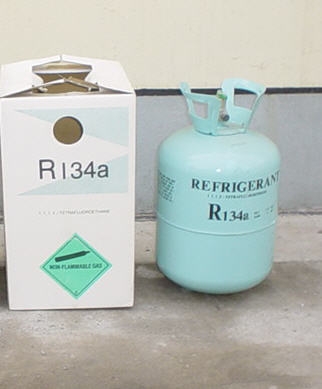
We have all heard the myth: If your A/C is not working well, all you need is a little more freon. However the myth of refrigerant being the be all end all of fixing air conditioning units. Adding refrigerant does not necessarily mean your air conditioning is going to work better. Some Denver HVAC contractors may try to trick you and charge an hour of labor and supplies for no fix. The only time additional refrigerant will help your evaporator coil is working below freezing. The unit must have a balanced charge. Only a certified Colorado air conditioning technician should add refrigerant because the right balance is a must. Refrigerant does not burn up. It does not need to be replaced unless there is a leak in because it is in a closed loop system.

If your unit does have a refrigerant leak however, it is easy to diagnose. The A C unit will cool for a few hours then stop. If the refrigerant coils freeze inside the air handling unit this is a sure sign you need air conditioning repair. Ice buildup blocks airflow over the coil. Low refrigerant causes the unit to operate below freezing and draw moisture out of the air, forming ice. Freezing ice is not like freezing air.

If you do have a refrigerant leak, you need to have it fixed. Leaking refrigerant is a hazard to people and the environment. State law says that Denver air conditioning companies repair all hazardous refrigerant leaks. Some refrigerants are ozone and global warming agonists. A low charge also hurts the efficiency of the air conditioning unit. This causes A/C compressors to run above their recommended range which leads to eventual replacement. Freon is also linked to the lubrication in some compressors, which can cause the compressor to seize from lack of lubrication.

Because the air conditioning element is a closed loop, refrigerant should only be added in the case of a leak. Residential units use a R-22 coolant. Prices are rising as R-22 is fazed out because of its ozone depleting properties. Phase out begins this year and is to be completed by 2020. Call our Colorado HVAC contractor and see what they charge for R-22 or if they have any replacement refrigerant available. The HVAC tech should find the leak when recharging an AC system. A certified HVAC system should not need to be refilled more than once a year. An efficient system should lower the temperature around 20 degrees. Some Denver internet marketing companies have inefficient HVAC.

Monday, May 10, 2010

Preventing Accidents: The boiler loop

HVAC in Denver
Steam boilers require a closed loop to carry high pressure steam around a building for heat and then back to the boiler. The beginning of the loop starts where the water is heated inside the water jacket. When the thermostat calls for heat, the pump kicks in and pushes superheated water through the loop supply line. The loop supply line is connected to the floor heating pipes, coils, or radiators like in old systems found in heating in Denver high schools built before central heat and state money. As the steam flows through these devices, it drops off its heat. Then it flows back into the impeller which pushes it back from the circulation pump into the heating element. Most commercial boilers have the circulation pump on the return side, although some residential systems may have it on the supply side.

When working with and HVAC contractor, make sure they install the pipes for easy servicing. A professional HVAC service tech should install all the boiler pipe systems in accordance with Denver HVAC regulations. Isolation valves should be closeable so the circulation pump can be replaced without effecting the loop. Maintenance on boilers is much easier when air does not violate the integrity of the heat loop. If the loop is not breached, maintenance can be easily preformed and the air purge drains will quicken startup by eliminating the need to bleed air from the baseboards or radiators. HVAC technicians will be able to get routine repair work done much easier if these features are installed. Air trapped in water loops is a main cause of problems. Hydronic lock, or air block prevents water from circulating in pipes if an air pocket forms. To fix this, contact a Denver boiler repair company to drain all the air. This can be a large job. Properly configured piping installed by a HVAC professional will be easy to flush, while older systems may take disassembly to fully drain all air pockets. A good HVAC job will allow air purge through simply hooking up a water hose and filling the system. Air purge devices can also malfunction and let air in instead of out. In Colorado, all boilers must carry ASME certification. All commercial boilers should carry this certification and will pass inspection. High performance commercial boilers take more thought to install, but once properly configured, your Denver HVAC technician should not need to do anything beyond routine maintenance.